

Wedding Branding
When it comes to running your own business, branding should be one of the things number one on your list to get perfect. Perfect branding will make you stand out from the crowd and will show potential clients exactly what you’re all about – even before they’ve seen your photographs/stationery/flowers etc – and before they’ve read one word about you!
Many wedding businesses think that branding their business just means saying “we’re a wedding business”. However here is a whole lot more to it. The first thing you need to think about when considering branding your business is the question: “Is my brand’s identity immediately recognisable and memorable?”
Think about other brands out there. For instance, a well known brand that everybody can identify with is Apple. Everything about the ads, billboards, website, stores, product, packaging and customer service reflects their brand. There is no way you are going to confuse it with another store. You know what they stand for, what types of things they sell, and the price range they use.
When you are branding your wedding business you need to think about how to do the same thing in a more elegant way. A brand includes everything from your colour scheme, your byline, what products or services you offer, a distinctive type of customer service, and your marketing message. It is how you communicate with your customer.
How to Create a Desirable Wedding Brand
Many small businesses fall into the trap of thinking that “branding” is just a marketing buzz word, and ignore it in favour of other factors. But while good customer service, making a name for yourself and putting out quality products or services are, of course, essential, your brand is more than just a glossy veneer for your business, it’s who you are to the very core – or at least it should be.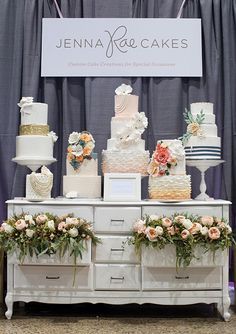
If your brand defines you, then you need to think really carefully about what that brand is, about its sustainability, about how you’re perceived by others and about whether your brand truly reflects what you do.
Think about the audience you’re trying to attract and make a list of their characteristics. For example, a wedding photographer trying to attract a young audience having contemporary, fashion-forward weddings might make their brand fresh and contemporary to appeal to that audience. A florist with a love of vintage weddings should go for vintage-inspired branding to attract that demographic.
Signature colours, an instantly recognisable logo, a certain tone of voice, packaging, even your own personal appearance, are all factors that create a strong brand. It’s also important to base your branding on something timeless – don’t brand your business based on a fad, give it an image to last.
Customising Your Brand To Reflect Who You Are
A great brand means nothing if it doesn’t reflect who you are.
Branding fails to be effective when companies lack a strong brand because they send out mixed signals and messages. More often than not, this is because they themselves don’t know exactly what it is their company does, who is their target audience, and what defines them.
Creating a Unique Selling Proposition
 As obvious as it sounds, you need to know your USP (unique selling point). When asked about their USP, I hear so many people say “we offer excellent customer service” or “we have excellent staff”. As important as these factors are, neither is a unique selling point. Brides expect good customer service, or attentive, dedicated staff.
If you don’t know what your USP is, create one. Look at your top three competitors, print out their marketing literature from their website or brochure and underline everything that your brand and theirs has in common. What can you do to differentiate yourself? What do you offer that they don’t? Or what can you offer that they don’t? Building your brand begins with setting yourself apart from your competition.
Know Your Client First Then Work Backwards
So simple but so brilliant. How many of you started your branding from who you were and what you wanted to project? Who cared what the target market wanted!
When the big corporations set out to brand a company, the first thing they do is build complete profiles of their target market and demographic of their dream client. They give them names and faces and get to “know ” them. Then they start to build the profile of the business to appeal to those customers unique problems, desires and needs. They take into account the way they are attracted to the companies goods and services and the way in which they want them delivered.
How smart is it to have your branding appeal to the DIY Bride when your dream client is the 35 year old career woman that lives in a large city and wants a luxury wedding with all the grand splendour that mum and dad are going to pay for?
You have to think deeply about who your real client is.
Consistency is Key
The single most important thing to remember when creating a brand, is to be consistent.
For example, Tiffany and Co. colours are ‘tiffany’ blue with splices of white. The colours were chosen carefully to create a strong brand image. The dominant blue colour is immediately associated with proposals, weddings and a hint of luxury. Juxtaposed with white, the branding is designed to look chic, clean and minimal.
Everything that you do and show to the public should be in line with your brand image. Your branding should be consistent across the board, on your website, brochures, leaflets, coupons, social media sites, business stationery, retail bags, store front, packaging and anything else you can think of.
Visual branding needs to be consistent to ensure that your brand is easily recognisable. For example, some wedding dress designers use the same model in all of their campaigns so that the model becomes the ‘face’ of the brand, so brides know at a glance which brand they are looking at.
If you run a business, or you’re a sole trader, the ultimate way to strengthen your brand is to be a personal reflection of it.
How you talk and how you dress reflects upon your brand. If you have created a luxury bridal store, and expect brides to pay a premium price for a designer couture dress, it goes without saying that dishevelled or underdressed staff won’t fit the brand image. Don’t let your brand down by being strong in some areas but weak in others.
If you feel already have a wedding business and you feel you don’t have a strong enough brand image, don’t be afraid to re-brand.
A revamp that addresses all of the factors you might have missed can do wonders for your business, giving it a new lease of life and longevity!
So next time you think that creating a strong brand might be something that can wait, think about every time you’ve bought a product because you like the packaging, or committed to buying because “it’s a good brand name”. People are drawn to the known – and branding makes your business recognisable, safe and known by the public, and is a key ingredient in the recipe for lasting success!
What is the Why Behind Your Wedding Business?
“People don’t buy what you do- they buy why you do it.”
Most wedding businesses focus their marketing only on what they offer and how they do things by listing client benefits and years of experience. But what is it that really makes you get out of bed in the morning to work?
What drives you to stay in the wedding industry when it often means long hours and lost weekends?
If you are following your passion, you are motivated by more than just money. This “why” needs to show through in your marketing to set yourself apart and attract your ideal clients.
As Simon Sinek explains in the branding video below, “Your goal is not to do business with everyone who needs what you do- but to do business with people who believe what you believe.”
Watch Simon’s presentation video here on successful business branding: http://www.ted.com/talks/simon_sinek_how_great_leaders_inspire_action#t-281949
Simon gives a great presentation on why Apple is so successful- and he breaks down the branding success of apple- so you can consider how you formulate your wedding business- to position it for success!
10 Considerations For Building a Strong Wedding Brand
When establishing your wedding business brand- consider the following:
1. Do I understand who my target customers are?
2. What does my brand stand for?
3. Is my brand truly differentiated?
4. Does my brand possess admirable human qualities? Is it trustworthy and reliable?
5. Does my brand build an emotional connection?
6. Is my brand’s identity immediately recognisable and memorable?
7. Am I presenting the brand consistently over time and across media?
8. What am I going to do to build brand awareness?
9. Is my brand innovative and interesting?
10. Is my brand interacting with and engaging with customers in interesting ways?
Examples of Great Wedding Brands
Check out the following wedding brands for inspiration and examples of great branding..
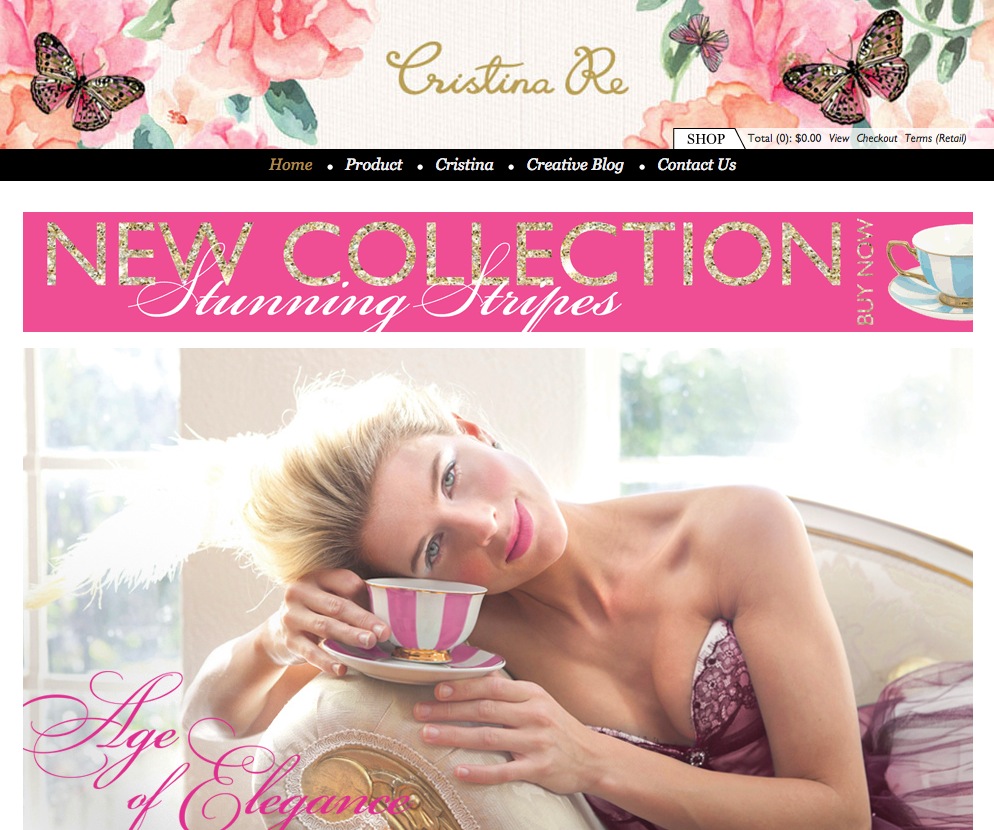
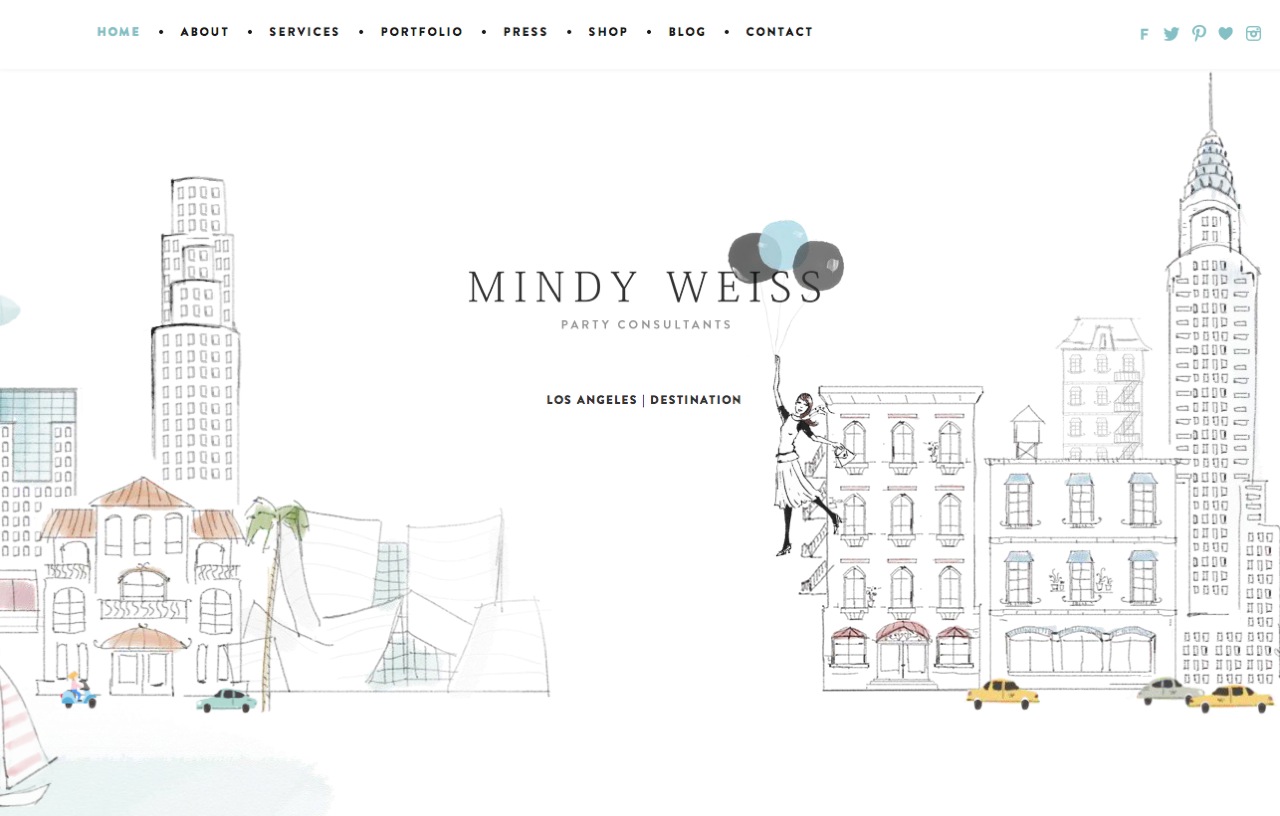
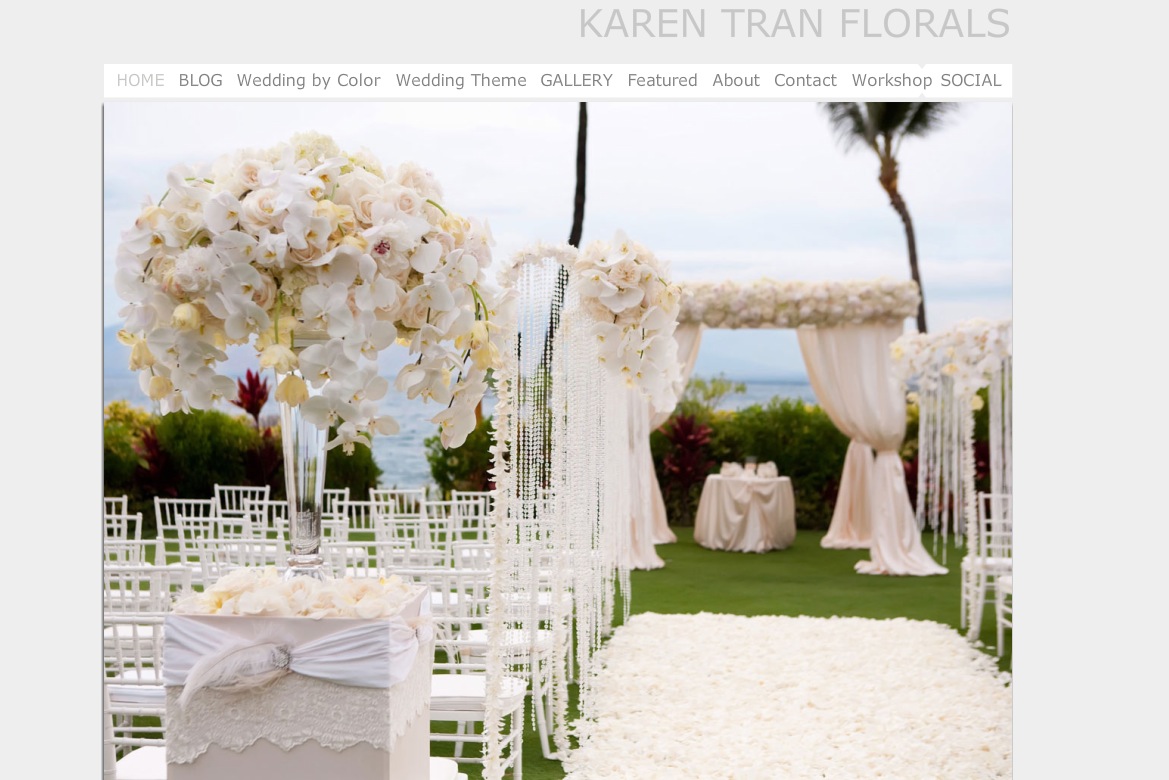
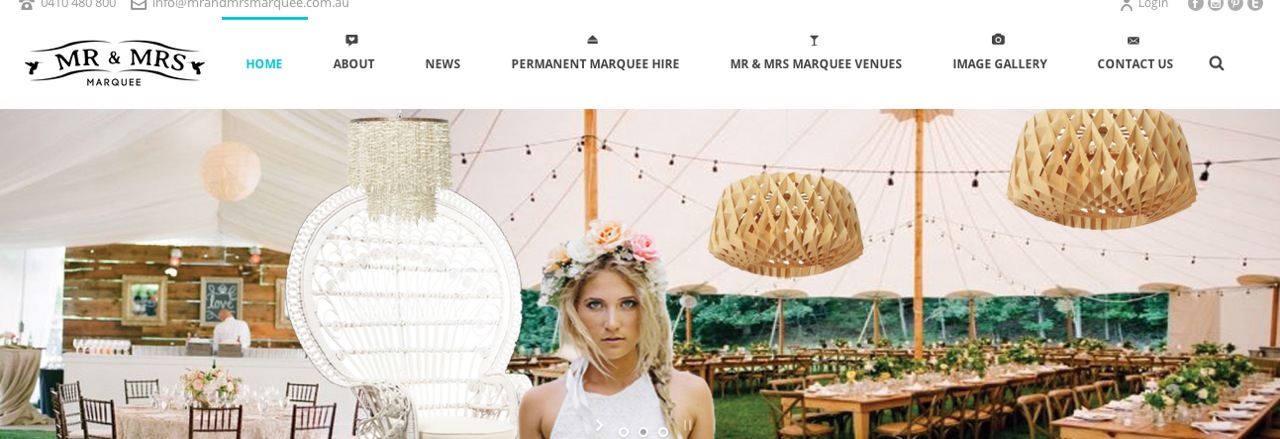
http://www.thestyleco.com.au/wedding-planner

http://www.thephotoboothpeople.com.au

 Activity:

1. Answer These Questions:
- What drives you to do what you do? What do you believe? What is your “why” for your wedding business?
- Brainstorm how can you communicate your beliefs and your “why” into your business marketing.
2. Create a mood-board for inspiration for your wedding brand.
When deciding on your wedding branding, I find it useful to start with some visuals! From here- it becomes easier to communictae your direction for your brand and carry it through your website, logo, marketing materials and more!
Notes On Where to Start For The Activity Above
Pinterest is a great place to start, make a board and name it ‘brand inspiration’ and pin any images you come across that you absolutely love. Pin colours, textures, typography, clothing, furnishings, interiors, web design, layouts – you get the idea anything goes! At this point your focus should just be that you’re pinning only things you adore, don’t worry about how they’ll come together. Another option is to flick through magazines and rip out anything that catches your eye. Select magazines that you know your ideal client would read, and find inspiration.
You can use a program like ‘Canva’ or any of the apps like ‘Pic Frame’ to compile images and logo styles that you like, and colour schemes.
Here is an example of what your mood board could like like…

